
Introduction
Coenzyme Q10 (CoQ10) has long been a molecule of interest in the fields of biochemistry, molecular biology, and biotechnology due to its critical role in mitochondrial energy production and redox homeostasis. However, despite its importance, one of the biggest challenges limiting its broader use especially in research, delivery systems, and industrial biotechnology has been its poor bioavailability. In recent years, scientists have increasingly explored novel delivery systems (such as nanocarriers, liposomes, emulsions) to enhance absorption, stability, and functional performance of CoQ10. This blog explores the latest trends in CoQ10 formulations, scientific advances in delivery technology, and what they imply for future research and applications.
Why Bioavailability Matters for CoQ10
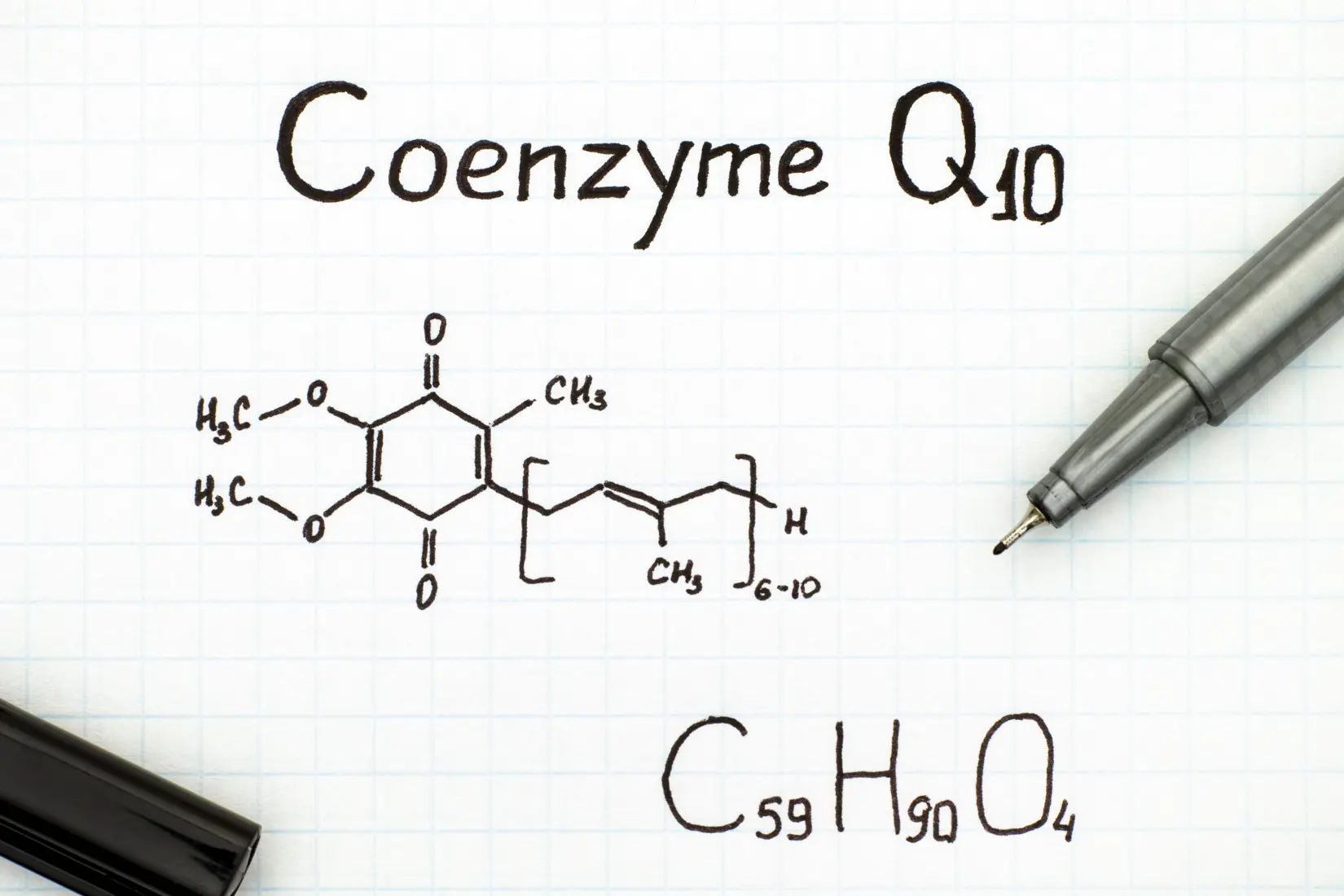
CoQ10 is lipid-soluble with a large isoprenoid side chain, making it inherently hydrophobic and difficult to dissolve in aqueous biological environments, which limits absorption in the gastrointestinal tract. Learn more

Low solubility and limited permeability hinder its uptake, especially when delivered orally, which has motivated research into advanced formulation techniques.
Improving bioavailability not only increases the efficiency of CoQ10 uptake but also enables lower dosages and potentially enhanced performance in experimental, industrial, or biotechnological contexts.
Emerging Technologies for Enhanced CoQ10 Delivery
1. Nanoparticles, Micelles, and Nanoemulsions
Researchers have developed nanoformulations such as solid dispersions, micelles, self-emulsifying systems, and nanoemulsions that help increase CoQ10’s solubility and intestinal absorption.
These carriers can reduce the effective hydrophobic barrier, allowing CoQ10 to interact more readily with biological membranes and facilitating transport into circulation.


2. Liposomes and Hydrophilic Inclusion Complexes
Liposome-based systems have been explored to encapsulate CoQ10, improving stability and facilitating controlled release. Learn more
Hydrophilic inclusion complexes (with proteins or cyclodextrins) aim to offset the hydrophobic nature of CoQ10 and improve dispersibility in biological fluids.


3. Phytosome and Lecithin-Based Carriers
Research shows that phytosome formulations can enhance uptake in tissues such as muscle and skin when compared ex vivo to conventional CoQ10 forms. For example, one study found that CoQ10 in a phytosome form enriched on LDL (low-density lipoprotein) was absorbed more efficiently by muscle and fibroblast cells.
Lecithin-based delivery systems can help CoQ10 cross biological membranes more effectively due to better lipid integration.
4. Water-Soluble and Novel Encapsulation Approaches
Because water solubility is a major barrier, several novel methods (lipid-free nanoformulations, water-soluble inclusion complexes, and hydrophilic carriers) are being developed to enhance dispersion, stability, and transport.
These approaches may reduce precipitation, improve emulsification, and support better absorption in the intestines.
Current Research and Market Trends in CoQ10 Formulation Innovation
The CoQ10 industry is actively developing liposomal, nanoemulsion, and water-soluble formulations to improve absorption and efficacy in supplements and related research/applications.
Companies and researchers are adopting microbial fermentation and biotechnological production methods to produce purer, more bioavailable forms of CoQ10. These methods can also be more environmentally sustainable.
Personalized nutrition, improved functional food incorporation, and novel delivery systems (like nano- and liposomal carriers) are major growth drivers in the CoQ10 market.
Challenges and Scientific Opportunities
Even with advanced carriers, stability, effective targeting, dosage, and safety remain key technical challenges. Carrier degradation, interaction with biological fluids, and tissue targeting must be optimized.
Scaling nanoparticle or liposome production while maintaining consistency and purity can be resource-intensive and technically demanding.
The interactions of these novel carriers with endogenous redox systems, mitochondrial membranes, and cellular transport mechanisms are under active investigation, opening opportunities for deeper molecular studies.
Outlook: What’s Next for CoQ10 Formulation Science
Expect continued progress in smart delivery systems, such as stimulus-responsive or targeted nanoparticles, enabling localized release in tissues of interest.
Integration with synthetic biology to optimize microbial biosynthesis pathways may yield CoQ10 derivatives with superior solubility or functional properties.
Multi-omics and computational modeling are likely to inform carrier design and cellular uptake mechanisms, improving predictability and effectiveness.
New regulatory frameworks and clinical translation will also shape how these advanced formulations are adopted in research, nutraceutical, and biotech sectors.
Conclusion
The pursuit of improved CoQ10 formulations is a rapidly evolving area combining chemistry, materials science, biotechnology, and molecular biology. Breaking through the bioavailability barrier via nanotechnology, advanced encapsulation, and innovative manufacturing is critical not just for commercial applications, but also for enabling more precise scientific research into CoQ10's roles in energy metabolism and redox biology.
Whether you’re a researcher, industrial scientist, or biotech entrepreneur, these formulation advances offer a window into the future of CoQ10 applications in science and innovation..